System Administrator Appreciation Day

Ottavo anniversario del System Administrator Appreciation Day. Il nostro è uno di quei lavori per i quali meglio fai il tuo mestiere, meno gli altri se ne accorgono. Eh, già.

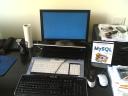
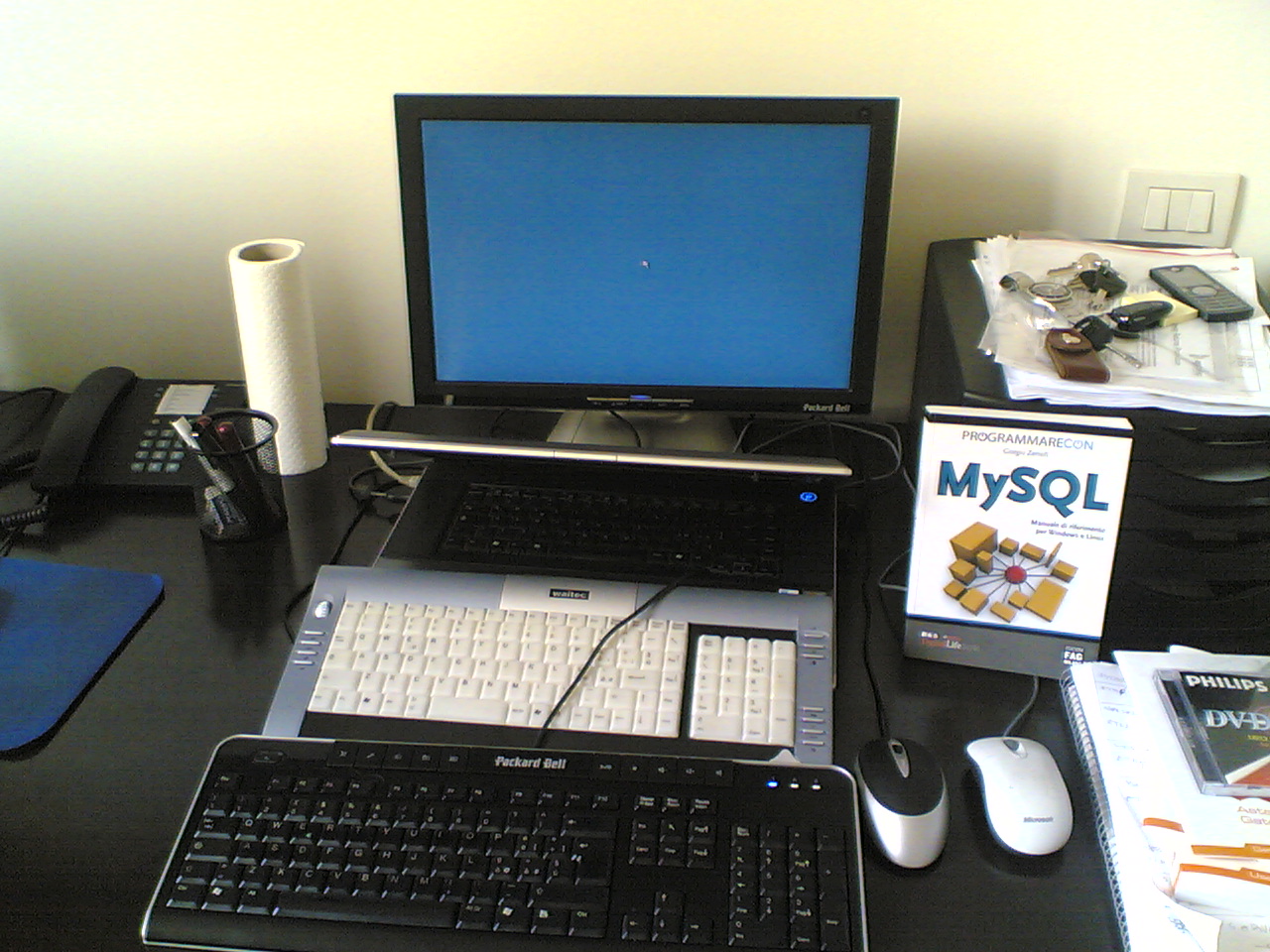
desktop-lavoro.jpg


Per questo anno, nessuna raccomandazione solo un apprezzamento ai sysadmin che leggo quotidianamente fra i quali Andrea, Fullo, Koolinus, Delymyth.

Sicuramente ne ho dimenticati diversi, casomai ricordatemelo nei commenti, giusto per non apprezzarvi di meno il prossimo anno.
Buon lavoro a tutti.

PS.

Quella in foto era la mia situazione presso un cliente: portatile sopra, desktop sotto, due tastiere, due mouse e il mio libro sulla destra, ottimo bigino autarchico 🙂

The all-new Linux Fund Visa Card launches today.

usbank-card.jpgJuly 24, 2007
Portland, Oregon USA

The all-new Linux Fund Visa Card launches today.

“It’s back, and better than ever” said David Mandel, Executive Director.

The Linux Fund began in 1999. Since then, the organization has handed out over one-half million dollars in grants to Free and Open Source Software (F/OSS) projects like Blender, FreeGeek and the WikiMedia Foundation.

“We don’t represent a wealthy patron or a long-dead industrialist,” says Mandel. “Our donations come from engineers, managers, and ordinary working geeks who use The Linux Fund Visa in the course of everyday living. The way it works is actually quite cool. Just by using The Linux Fund Visa card, ordinary geeks can participate in serious philanthropy, at no out-of-pocket cost to themselves.”

Each time a cardholder uses their card, a donation is made to The Linux Fund by the card issuer, U.S. Bank. These donations add up to tens of thousands of dollars per year which The Linux Fund then gives out in grants. The Linux Fund has donated to new ideas and teams who maintain things like Debian.

“The new card is a clear upgrade from the old card,” said Mandel. “There is a new program for College students and another program where the card holder and The Linux Fund share the rewards. Most cardholders will elect to give all of their rewards to charity, but some want to split it. That’s fine by us, we’re pleased to now offer both options.”

Beginning today, applications are being accepted online.

The Linux Fund will also be accepting applications in person at OSCON 2007 in Portland, Oregon on July 25-26, 2007.

For interviews and further information you are welcome to contact:

David Mandel
Executive Director
560 SE Alexander
Corvallis, Oregon 97333
(971) 223-5169 land
(541) 730-5285 cell

[Via TheLinuxFound.org]

Congratulations, you are now an official FON beta-tester!

FON
THE WORLD’S LARGEST
WIFI COMMUNITY
www.fon.com

Congratulations!

We are happy to inform you that you have been selected to be
part of our beta testing team.
FON
You may be wondering what sort of benefits will come from
being a beta testing team member. First and foremost is the
acceptance into a selected group of users, which will have
the chance to possess and use our products before anyone
else does, but also to participate actively within FON by
submitting valuable ideas, suggestions, inquiries and
feedback in general.

We will soon send you a “welcome pack” including a
diploma that entitles you as an official FON beta tester, a
beta tester’s t-shirt, the first product to test and
documentation among other things.

THANK YOU for your enthusiasm and welcome to our beta tester
team, and to our support community!!

Best Regards,

The FON Team

Come dire…è come mettere la Banda Bassotti a guardia del tesoro di Paperone

Scherzi a parte, la possibilità di smanettare su FON in anteprima mi fà molto piacere:-)

Grazie Stefano per l’interessamento.

Openmoko, libero e bello

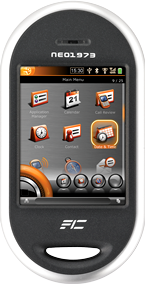
Ok, è uscito, anche se solo nella versione “developer”. Lo potete acquistare con carta di credito direttamente dal sito di Openmoko, in dueopenmoko.png versioni:

  • Neo Base – Developer preview
    Costa 300 dollari e offre il telefono (Neo 1973) più non si è capito bene cosa. Probabilmente qualche tool di sviluppo;
  • Neo Advanced – Developer preview
    Dovrebbe esserci tutto, ma proprio tutto quello che serve per sviluppare e analizzare a fondo il telefono (Neo 1973), il che porta il costo a 450 dollari.

Cosa vi portate a casa per queste cifre? Intanto un paio di specifiche hardware:

  • 2.8″ VGA TFT schermo a colori;
  • Touchscreen, utilizzabile con uno stilo o con le dita;
  • 266HZ Samsung System on a Chip (SOC);
  • USB 1.1, switchable tra Client and Host (non alimentato);
  • AGPS Integrato (Assisted Global Positioning System);
  • 2.5G GSM – quad band, voice, CSD, GPRS;
  • Bluetooth 2.0;
  • Micro SD slot;
  • High Quality audio codec.

Infine, due parole sull’architettura software:

  • Kernel GNU/Linux;
  • GNU C library;
  • X window system;
  • GTK+ toolkit.

Come dire, lasciate perdere chi tenterà di spacciarvelo come un iPhone. Prendetelo per quello che è: un telefono, avanzato, che nella versione definitiva presenterà anche la possibilità di connettersi via wi-fi, e che non ha bisogno di nascondersi dietro viti, colla e mancata interoperabilità.

A Settembre per la versione definitiva.